ΚΩΝΣΤΑΝΤΙΝΟΣ Γ. ΜΟΥΛΑΚΑΚΗΣ

Αναπληρωτής Καθηγητής Αγγειοχειρουργικής Ιατρική Σχολή Πανεπιστημίου Αθηνών(ΕΚΠΑ) Fellow of the European Board of Vascular Surgery (FEBVS)

Konstantinos G. Moulakakis, MD, PhD, MSc, FEBVS

Αναπληρωτής Καθηγητής Αγγειοχειρουργικής Ιατρική Σχολή Πανεπιστημίου Αθηνών(ΕΚΠΑ) Fellow of the European Board of Vascular Surgery (FEBVS)

Σεβόμενοι ότι η υγεία και η ποιότητα ζωής είναι ευθύνη μας, στο ιατρείο του Αγγειοχειρουργού Κωνσταντίνου Γ. Μουλακάκη παρέχουμε σύγχρονες, αξιόπιστες και εξατομικευμένες υπηρεσίες για τη διάγνωση και αντιμετώπιση παθήσεων των αγγείων. Η αγγειοχειρουργική εστιάζει στις παθήσεις των αρτηριών και των φλεβών, συμβάλλοντας στη βελτίωση της κυκλοφορίας του αίματος, στην πρόληψη επιπλοκών και στη διατήρηση της λειτουργικότητας και της συνολικής υγείας του οργανισμού.

Diseases

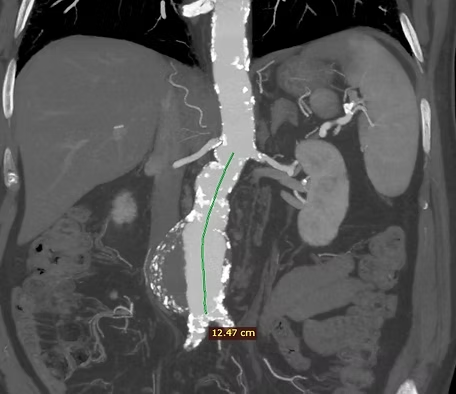
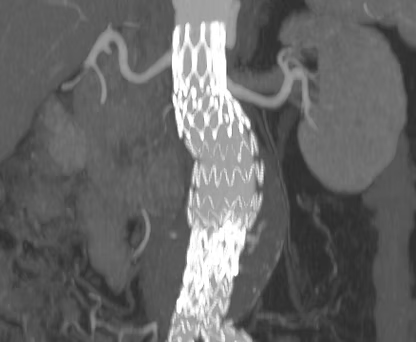
Abdominal Aortic Aneurysm

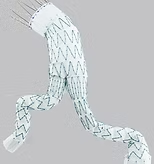
Abdominal aortic aneurysm is a dangerous dilation of the aorta that usually presents no symptoms but can cause sudden rupture. Aneurysms with a diameter > 5.0-5.5 cm are indicated for surgical treatment due to the risk of rupture.

Thoracic Aortic Aneurysm

Thoracic aortic aneurysm is a dilation of the aorta in the chest; small aneurysms are monitored, while large ones (5–6 cm) require surgical intervention due to the increased risk of rupture.

Aortic dissection

Aortic dissection is a life-threatening tear in the aortic wall that creates a false lumen. It is classified as Type A (originating in the ascending aorta) and Type B (originating after the left subclavian artery).

Vascular Stroke and Carotid Artery Disease

Carotid artery disease is a narrowing of the carotid arteries due to atherosclerosis, which increases the risk of stroke. It is diagnosed via ultrasound/CT scan and managed with medication or invasive procedures.

Peripheral Artery Disease

Peripheral Artery Disease of the lower limbs occurs when the arteries in the legs narrow or become blocked, usually due to atherosclerosis. It can be managed with lifestyle changes and appropriate medication, or surgically through either open repair (bypass) or angioplasty and stenting.

Venous insufficiency


Valves inside the veins malfunction → blood flows backward → veins "bulge" → varicose veins and symptoms appear.

Varicose Veins and Endovascular Treatment, LASER / RF

Varicose veins are swollen veins in the legs that appear when the veins do not function properly. Endovenous treatment with LASER or RF is the treatment of choice.

Spider Veins, Sclerotherapy

Spider veins are a milder form of varicose veins, smaller than varicose veins and often resembling a "spider web." They are red or blue in color and are typically found on the legs just below the skin's surface. For spider veins, sclerotherapy (sclerosing injections) is the most common treatment and provides an aesthetic result.

Varicose Veins, Saphenectomy

Saphenectomy surgically removes varicose veins, with a fast recovery. There are cases where surgical intervention may yield better results than endovascular treatment with LASER or RF.

Chronic Kidney Disease and Vascular Access

Chronic hemodialysis is the method of replacing renal function in patients. The vascular surgeon will make the optimal choice for creating vascular access, either a fistula or a synthetic graft.

Diabetic Foot

Appropriate precautions and ulcer prevention measures are required, as well as monitoring by a Vascular Surgeon.

Speeches

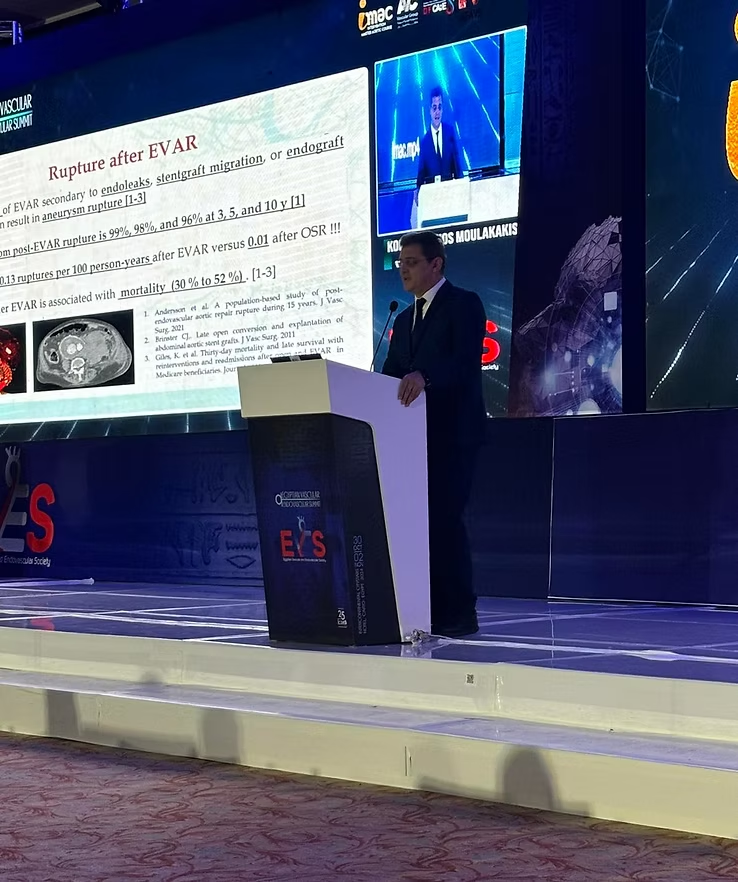
Watch the various speeches of Konstantinos G. Moulakakis

Second Opinion

  • Do you disagree with, feel unsure about, or feel uncomfortable with your doctor's diagnosis or treatment approach?

  • Do you have a serious or rare condition and are looking for a specialist or a team of experts dedicated to this specific condition?

  • Are you wondering if there are alternative treatment options available to you?

  • Is your current treatment ineffective, or do you have doubts?

Research & Authorial Work

The doctor possesses an extensive research background with more than 250 international publications in reputable scientific journals and active participation in numerous clinical trials. He is the Coordinator of the Hellenic Vascular Registry (HEVAR) and has served in significant positions within Greek vascular and phlebology societies. He has been honored with scholarships, commendations, and awards in Greece and Europe. His scientific citations exceed 6,600, with an h-index of 45, confirming his high recognition and contribution to the field of Vascular Surgery.

Book an Appointment

Fill out the contact form and we will call you promptly to learn about your needs, answer all your questions, and guide you through the next steps.